







Search Results for: international shipping

Red Sea Crisis Escalates into 2025: Houthi Attacks on Merchant Ships Strain Coffee Trade and Global Logistics
The Houthi armed forces in Yemen continue to launch attacks in the Red Sea and Indian Ocean, and claim to have struck targets in Israel, causing the situation in the Red Sea to escalate continuously. Multiple international shipping giants have judged that the region will still be unsafe in 2025 and decided to continue diverting around the Cape of Good Hope. Longer voyages and port congestion are driving up global logistics costs. As an industry highly dependent on maritime shipping, the coffee trade is bearing the brunt. Freight rates on Europe-Asia routes have soared, and combined with production cuts in many countries, international coffee prices have continued to surge. This article will review the attack incidents, the shipping impact, and coffee market developments, and also pay attention to the challenges facing brands such as Front Street Coffee. [more…]

Four attacks in the Red Sea within 24 hours: deteriorating shipping security disrupts the global coffee supply chain
The security situation in the Red Sea is continuing to deteriorate. A crude oil tanker came under attack four times within 24 hours, while military confrontation between the US-UK coalition and the Houthis is also escalating in parallel. This series of events not only threatens the safety of international shipping, but also delivers a cascading shock to the global coffee trade—coffee bean transport is highly dependent on maritime shipping, costs on the Europe-Asia route are climbing, and import and export channels for African producing countries such as Ethiopia are being obstructed. Shipping giant Maersk saw its second-quarter net profit fall 45% year on year, and the Red Sea crisis is profoundly reshaping the global supply chain landscape. [more…]

Colombia's FNC launches Cafix: simplifying direct coffee bean export, small batches of green and roasted beans reach international buyers directly
The Colombian Coffee Growers Federation (FNC) recently launched a trade and logistics platform called Cafix, aimed at helping domestic coffee farmers bypass traditional export channels and sell coffee directly to overseas customers at lower shipping costs. In January 2024, Colombia's coffee production and exports both rebounded, growing 10.5% and 12.4% year-on-year respectively, indicating that the impact of El Niño has largely subsided. Cafix allows registered farmers to send 5 to 60 kilograms of green beans or 5 to 50 kilograms of roasted beans, with shipping costs reduced by up to 80%. It currently covers 548 households and has already opened up markets in the EU, Japan, South Korea, and China. Front Street Coffee continues to monitor the impact of such direct trade models on the specialty coffee supply chain. [more…]

Escalating Internal Conflict in Ethiopia Brings a New Round of Price Increases at Coffee Origins
The conflict between Fano forces and government troops in the Gojjam region of Ethiopia's Amhara State continues to intensify, with the Fano side vowing to retaliate against the government army's atrocities against civilians. This civil war has not only caused heavy casualties but also led to an economic blockade and soaring prices in the region. Meanwhile, Ethiopia's foreign exchange reform has triggered a sharp depreciation of the exchange rate, and the Red Sea shipping crisis has driven up import and export costs. Under these multiple pressures, the country's coffee cultivation costs are steadily rising, and the floor price for coffee exports has consequently been raised. As a major global coffee-producing region, Ethiopia's turbulent situation is profoundly affecting the international coffee market. [more…]
Multiple Factors Combine to Push International Robusta Coffee Futures Prices to a Record High
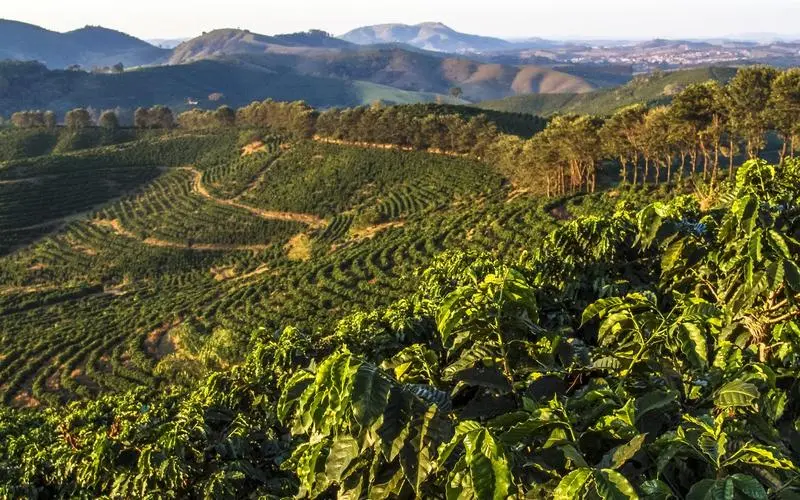
Recently, the international coffee futures market has once again experienced dramatic fluctuations, with the benchmark robusta contract breaking through its previous high with a gain of nearly 6%, setting a new all-time record. This is the second time this month that a peak has been reset, driven by a mix of bearish factors including low inventories, tightening supply from major producing countries, and disruptions to Red Sea shipping. Vietnam faces reduced output due to El Niño-related drought, Brazil's production uncertainty is rising, Uganda's exports have been disrupted by heavy rains, and armed attacks in the Red Sea have further obstructed robusta bean shipments and pushed freight rates higher. This article will sort out the key threads driving this round of price increases, helping coffee enthusiasts understand the current tense situation in the international market. [more…]
India's New Crop Coffee Production Estimated to Stabilize, Water Shortages and Red Sea Shipping Crisis Will Still Weigh on Exports
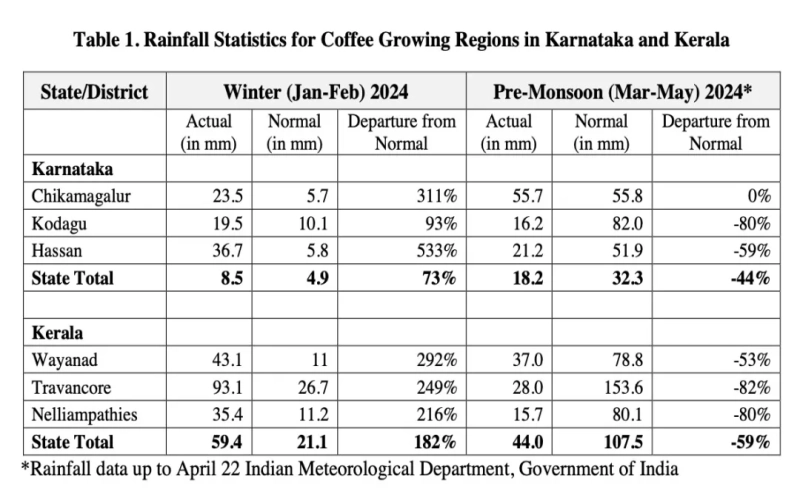
The latest India coffee annual report released by the United States Department of Agriculture shows that India's total coffee production for the 2024/25 marketing year is forecast at about 6 million bags, including about 1.4 million bags of Arabica and about 4.6 million bags of Robusta, remaining broadly stable overall. However, the outlook for the crop season is not optimistic: after heavy rains from January to February, many regions saw insufficient rainfall from March to May, and combined with groundwater overexploitation and climate change, India is facing a severe water shortage crisis, with fruit set rates in major producing areas falling sharply. At the same time, continued tensions in the Red Sea have pushed up freight rates on Asia-Europe routes, and with international coffee prices at a decade high, India's coffee exports face triple pressure from weather, shipping and prices. This article will combine the latest data to sort out India's coffee supply and demand structure and the risks ahead. [more…]
Extreme weather combined with labor loss puts Central America's coffee industry under pressure, pushing up international prices
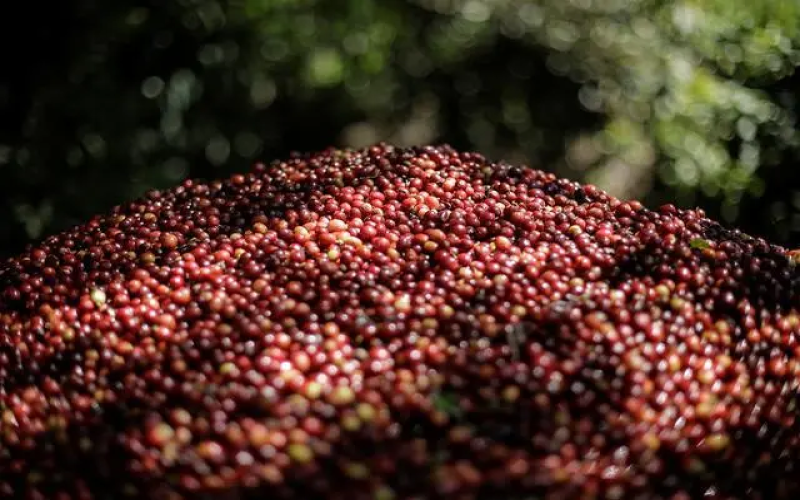
The coffee industries of several Central American countries have recently encountered multiple challenges. In Costa Rica, unstable rainfall and labor shortages are expected to cause a production decline of about 13% in the 2023/24 season. In Nicaragua, affected by El Niño, drought persisted until mid-May, political factors have led to large-scale emigration, and labor shortages threaten harvest quality. The drought crisis at the Panama Canal remains unresolved, shipping costs are rising, and labor protests have delayed coffee harvesting. Together, these multiple factors are keeping coffee prices at high levels. [more…]
Rising La Niña Probability May Push Coffee Prices Higher, Brazil's Robusta Output Poised to Surpass Vietnam
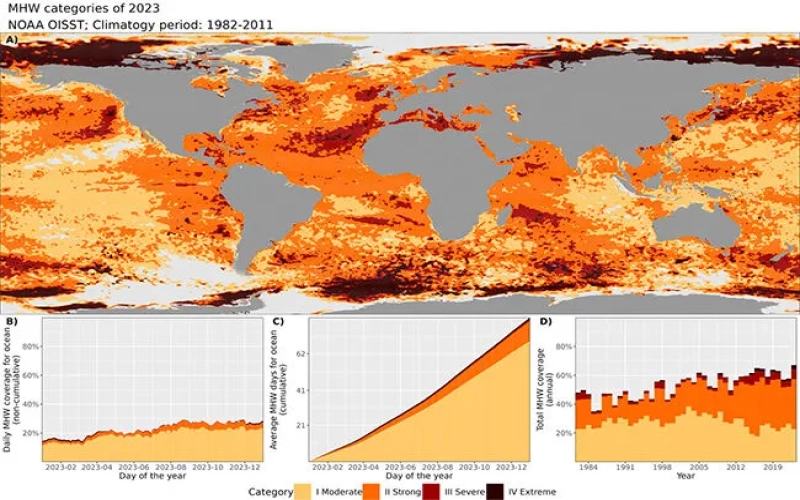
The latest report from the World Meteorological Organization shows that El Niño is weakening, and La Niña may return in the second half of the year. This climate shift will bring markedly different effects to global agriculture: Australia, West Africa, and parts of Asia are expected to receive abundant rainfall, favoring the growth of crops such as wheat, palm oil, cocoa, and coffee; while the Americas may face drought, and Brazil's soybean, coffee, and corn-producing regions will come under pressure from reduced yields. At the same time, international prices for coffee, cocoa, and wheat have already remained high for a sustained period, and if adverse climate factors intensify, agricultural product prices may rise further. In recent years, Brazil has vigorously developed robusta coffee, with production expected to reach 21 million bags in 2024, and it is expected to surpass Vietnam in the 2027/28 season to become the world's largest robusta-producing country. In addition, La Niña may also increase Atlantic hurricane activity, threatening energy infrastructure in the Gulf of Mexico and thereby driving up crude oil and shipping costs. [more…]
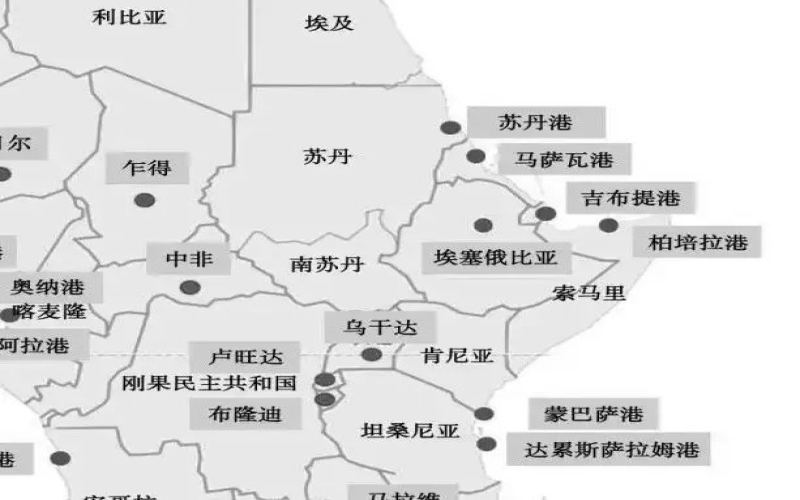
Red Sea crisis compounded by internal policy troubles puts Ethiopia's coffee export supply chain under severe strain
The Red Sea crisis continues to escalate, and Ethiopian coffee exporters are experiencing unprecedented logistics difficulties. Only one ship docks at the Port of Djibouti each month, leaving large quantities of coffee beans stranded at the port, while turning to Kenya's Port of Mombasa means facing a long overland transport route. At the same time, domestic policy factors such as the "vertical integration" plan and caps on bank loan growth are further disrupting the supply chain. Growers and suppliers are owed billions of birr in receivables, which has even triggered violent clashes and suicides. Coffee exporters are calling on the government to come up with a long-term solution rather than temporary fixes. This article will provide an in-depth analysis of how this multifaceted crisis is striking at the export lifeline of a globally important coffee-producing region. [more…]

500 kilograms of cocaine seized at Nestlé factory in Switzerland: a drug mix-up hidden inside a container of Brazilian coffee beans
Recently, a shocking incident occurred at a Nestlé factory in Romont, Switzerland: workers discovered an unidentified white powder while unloading coffee beans from Brazil. Police identified it as cocaine with a purity exceeding 80%, weighing over 500 kilograms in total and valued at approximately 330 million RMB. A preliminary police investigation suggests this was very likely caused by a drug trafficking gang loading the wrong container. Similar incidents have previously occurred in China as well—Shanghai police once seized marijuana worth 150 million on an international cargo ship. How exactly do these bizarre mix-ups happen? This article will reconstruct the course of events and explore the drug trafficking methods behind them. [more…]
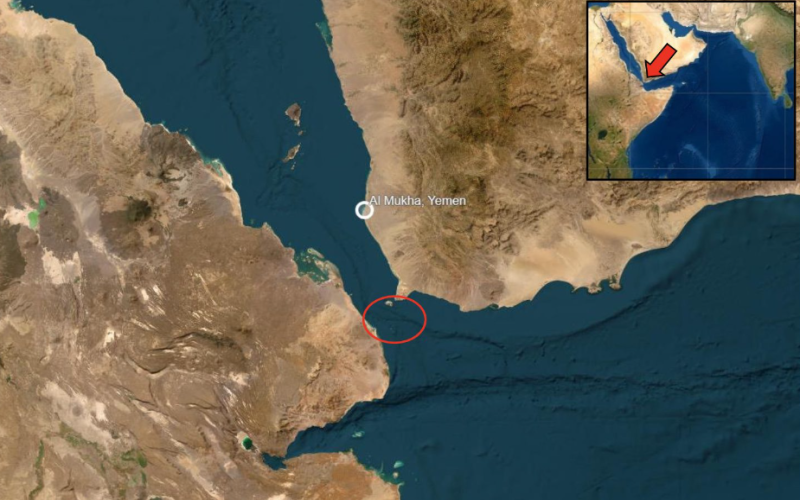
Red Sea Security Crisis Hits Global Coffee Supply Chain: Shipping Disruptions and Rising Prices
Recently, the Houthi armed forces in Yemen launched a large-scale attack on U.S. warships in the Red Sea. Although the U.S. military successfully intercepted the attack, the incident once again highlighted the tense situation in the Red Sea region. Since the escalation of the Israeli-Palestinian conflict last year, the Houthis have frequently attacked commercial ships, forcing global shipping routes to change and thereby having a profound impact on the coffee trade. Problems such as soaring transport costs, longer voyages, and container shortages followed one after another. European buyers turned to Brazil for purchases, East African coffee exports were hit hard, and international coffee prices continued to rise. This article will analyze in detail how the Red Sea crisis has disrupted the global coffee supply chain and discuss its specific impact on coffee-producing regions and consumer markets. [more…]
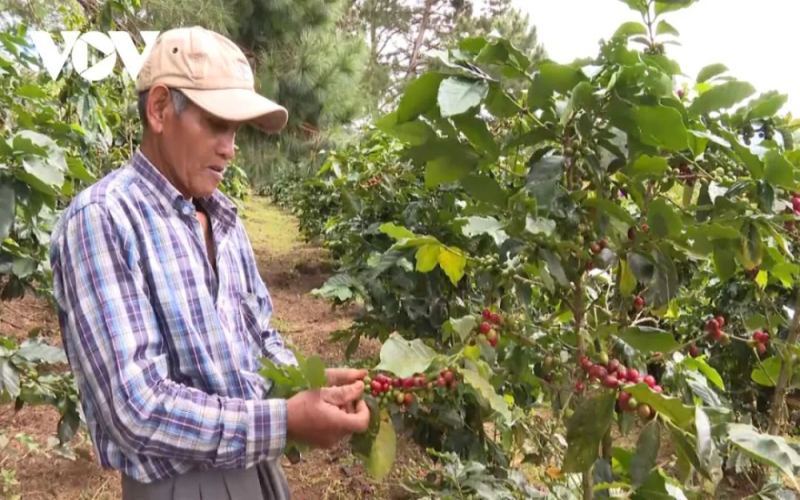
Vietnamese coffee prices continue to climb, and the Red Sea shipping crisis may further intensify it.
Coffee prices within Vietnam have once again climbed. In the Central Highlands, the largest producing region, purchase prices have generally risen by 1,300 to 1,400 Vietnamese dong per kilogram, and the price of coffee beans in bulk has risen to a range of 92,400 to 93,200 Vietnamese dong per kilogram. On the international market, Robusta futures for delivery in May 2024 rose to 3,450 US dollars per ton, while Arabica fell back to 182.95 US cents per pound. At the same time, armed attacks in the Red Sea and the Bab el-Mandeb Strait continue to escalate, with the Houthi armed group threatening to expand the scope of attacks to the Indian Ocean, and global shipping is facing a new round of pressure. Vietnamese coffee exporters, meanwhile, have high hopes for the Italian market, where Robusta occupies a dominant position. [more…]
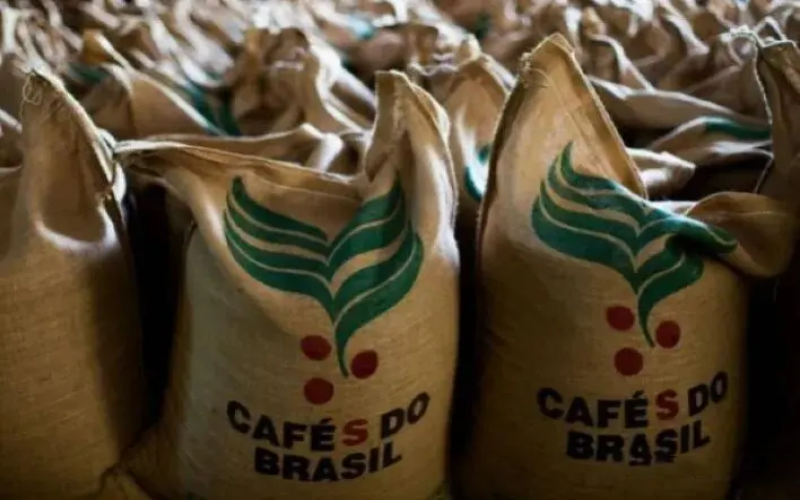
Brazil's CECAFÉ reports a strong 39% surge in January coffee exports, with robusta skyrocketing fivefold, and a positive outlook for the new crop season.
The latest report from the Brazil Specialty Coffee Association (CECAFÉ) shows that Brazil's coffee exports got off to a strong start in January, with exports of 60-kg bags reaching 3.961 million bags, up 39% year-on-year, while foreign exchange revenue rose 30.4% in tandem to US$802.5 million. Robusta exports surged 503.5%, becoming the main growth engine, while Arabica and instant coffee also maintained stable shares. Despite ongoing logistics challenges such as the Red Sea shipping crisis, drought in the Panama Canal, and strikes at Brazil's Santos port, Brazil's coffee exports still showed resilience. Notably, major Robusta-producing countries such as Vietnam experienced supply gaps due to drought and delivery issues, creating substitution opportunities for Brazil. International investment bank Itaú BBA predicts that Brazil's coffee production in the 2024/25 season is expected to reach 69.4 million bags, up 4.6% from the previous year. Front Street Coffee will also continue to monitor Brazil coffee market trends and bring fresh information to enthusiasts. [more…]

Somalia Once Again Expels Ethiopian Diplomats, Red Sea Crisis and Port Deadlock Deal Heavy Blow to Coffee Exports
Diplomatic friction between Ethiopia and Somalia continues to escalate. Somalia recently expelled Ethiopia's second-ranking diplomat in Somalia, and relations between the two countries are becoming increasingly tense over the Somaliland port agreement. Meanwhile, the Red Sea crisis has caused throughput at the Port of Djibouti to decline, severely disrupting the import and export of major commodities such as Ethiopian coffee. Combined with peak-season shipping price increases, the depreciation of the birr, and the delay of the EU's EUDR, Ethiopian coffee bean prices have risen across the board, and the local coffee industry is facing dual pressure from exports and costs. [more…]
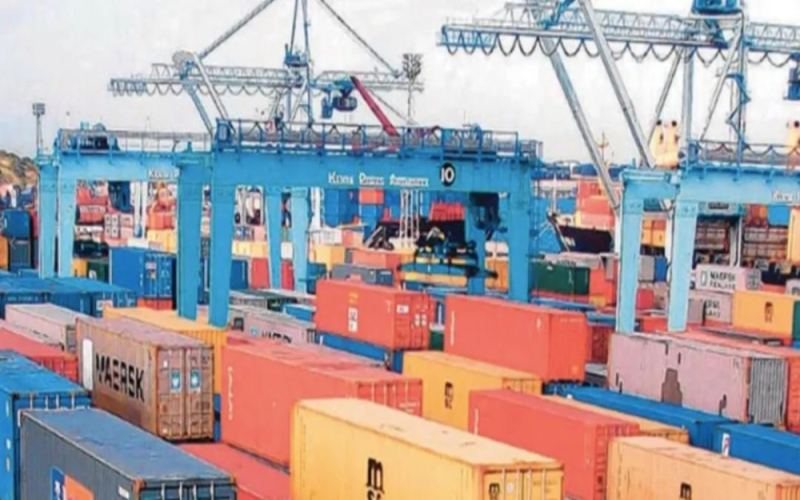
Kenya's customs system was down for five consecutive days, severely disrupting coffee exports through the Port of Mombasa and causing heavy losses.
The Kenya Revenue Authority's Integrated Customs Management System (iCMS) suffered a sudden technical failure that went unrepaired for five consecutive days, severely disrupting operations at the Port of Mombasa and leaving coffee and tea worth billions of Kenyan shillings stranded at the port, unable to be exported. This is not the first time the system has encountered problems; a similar incident occurred in April 2023. As the largest port in East Africa, the Port of Mombasa serves several landlocked countries, and this failure has not only hit Kenya's own trade but also affected the export of coffee and other agricultural products from surrounding areas such as Tanzania, Uganda, and Rwanda. At the same time, Kenyan coffee auction prices have hit a new high for the year, demonstrating strong international demand for its high-quality coffee. [more…]
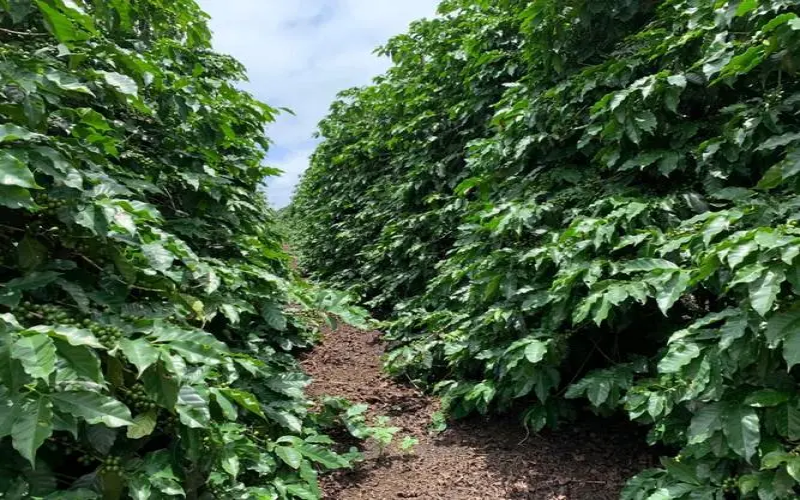
Coffee market continues to strengthen, green bean giant NKG expands into Indonesia with new business
Recently, global coffee market prices have remained high, with major producing regions such as Brazil and Vietnam successively encountering climate and market problems, compounded by the Red Sea shipping crisis, greatly increasing the operating pressure on traders. Below-average rainfall in Brazil has pushed arabica prices higher, but production estimates have been revised upward; Vietnamese coffee farmers are reluctant to sell and contract defaults are occurring frequently, and combined with expectations of El Niño drought, new-crop output may decline. At the same time, NKG, the world's largest green coffee trader, announced that it is expanding import, warehousing and distribution operations in Indonesia, targeting the country's rapidly growing consumer market and hoping to reduce shipping costs and time through regional trade in Asia. [more…]

Coffee Trade Impasse Shows Signs of Relief: Shipping Lanes Poised to Reopen—Can Returning Supply Bring Coffee Prices Down?
Recently, the coffee market has experienced a noticeable price increase, driven by a mix of extreme weather, new EU regulations, shipping disruptions, and geopolitical conflicts. The El Niño phenomenon has led to reduced production and exports in several coffee-producing countries, the EU Deforestation Regulation has made importers hesitant to move forward, and the drought in the Panama Canal along with armed threats in the Red Sea have extended shipping times. Add to that war and inflation suppressing consumption and high interest rates driving up trade costs, and coffee futures prices soared at one point. However, some positive signals have emerged recently: El Niño is expected to weaken after March-April 2024, and production and exports from producing countries may recover; meanwhile, the "Operation Prosperity Guardian" initiative has given shipping companies hope of returning to Red Sea routes. Does this mean coffee prices are likely to fall? This article will sort through the whole story and bring you Front Street Coffee's observations and recommendations. [more…]
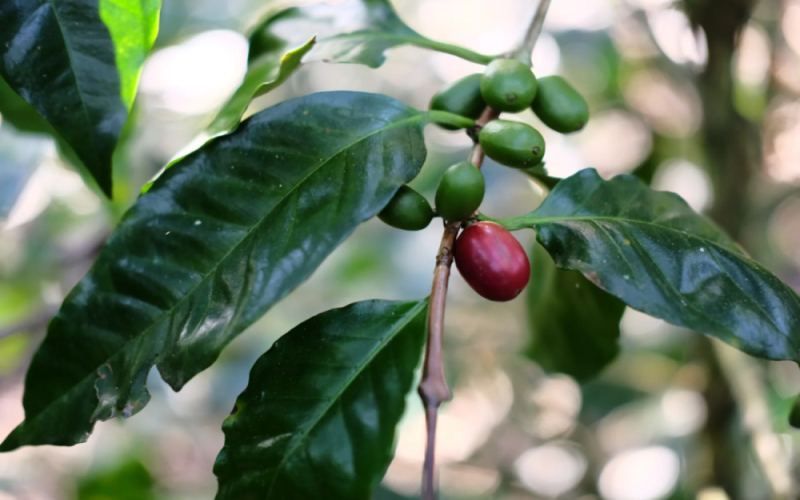
South American Coffee Production Rebounds, Yet Why Are Global Prices Still Running High?
Recent data from the International Coffee Organization (ICO) shows that the composite coffee price index rose slightly month-on-month in January 2024, while the Robusta price index hit a 30-year high. Although production prospects have improved in several South American producing countries, with Brazil and Colombia performing relatively well, tight supply in the Asia-Pacific region, disruptions to Red Sea shipping, and volcanic eruptions in Indonesia have combined to keep global coffee prices persistently high. This article reviews the latest developments in each producing region and changes in the supply-demand landscape. [more…]

Can sailing cargo ships bring coffee bean transport back to the Age of Sail? A UK company's zero-carbon experiment
After the COVID-19 pandemic, consumers are paying increasing attention to the environmental friendliness of coffee—from green bean cultivation to the coffee in the cup, carbon emissions are being taken into account. Coffee-producing countries and consuming countries are mostly separated by oceans, and tens of thousands of tons of coffee beans rely on air or sea freight, making fossil fuels an unavoidable source of power. The British experimental company NEW DAWN TRADERS is trying to change this situation. They charter sailing ships, abandon fuel engines, and transport green coffee beans back to the UK from places like Colombia. The voyage lasts more than five months and covers about 7,000 nautical miles. Although it takes much longer, it significantly reduces carbon emissions. At the same time, Canada's Café William and Sailcargo are also building zero-emission sailing cargo ships, with plans to put them into operation in 2023. This article will review the glorious history of sailing cargo ships and explore the possibilities of this ancient mode of transportation in the modern coffee industry. [more…]
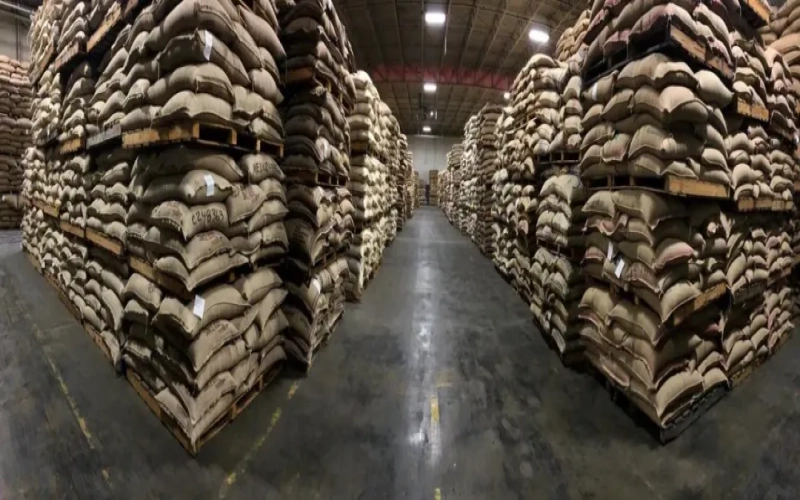
Brazil’s Coffee Exports Rose Nearly 50% in July, but Port Delays Caused $300 Million in Losses
The July report from the Brazilian Coffee Exporters Council (Cecafe) shows that coffee exports for the month reached 3.774 million bags, up 25.7% year-on-year, with foreign exchange revenue of US$932.5 million, an increase of 47.9%, with robusta performing especially strongly. In the first seven months of 2024, cumulative exports reached 2.8146 million bags, up 46.3% year-on-year. However, major ports such as Santos continued to face congestion, and 1.262 million bags of coffee were not shipped in July, causing losses of about US$313 million, while traders' additional costs totaled 7.456 million reais. Severe weather further exacerbated the delays, posing a threat to the international reputation and long-term development of Brazilian coffee. [more…]